Yaxley
A Dystopian Fantasy. Part 1.

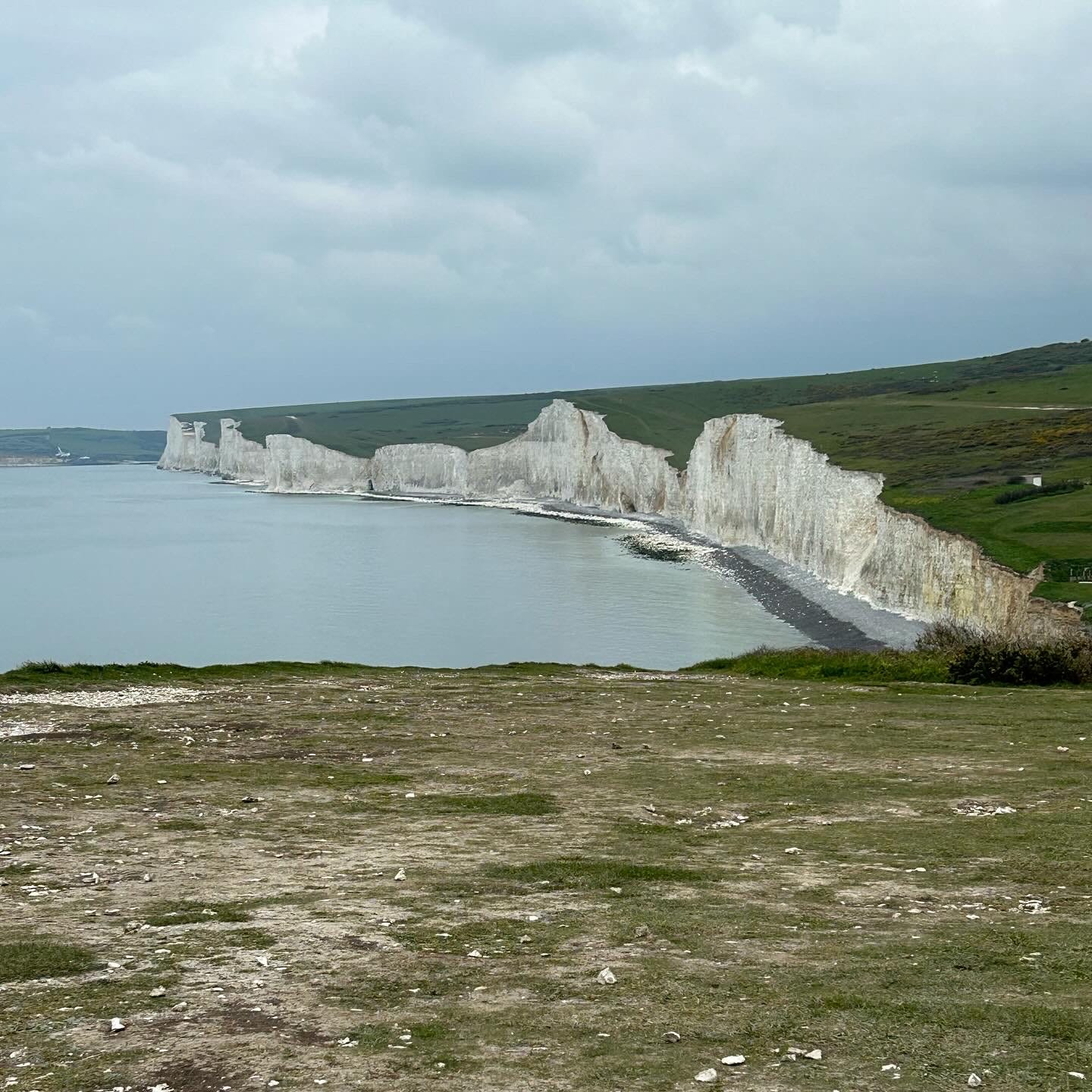
Yaxley hated being called to the Channel. It involved a chopper ride from the heliport which was initially exciting, but was, he realised, quite hairy, and when they had first landed at Dover he had been white with fear. He didn’t like leaving the luxury of his office and being made to attend these public presentations, but he understood their importance, given everything. He was better used to it now, six months on, and the sight of the castle looming over the cliffs and the town was quite inspiring, although he knew he was rarely inspired, and was still quite bilious each time they landed.
The calls were generally the same. A new boat had attempted to cross, avoided the destroyers that now patrolled the channel, and had landed on a local beach. The rules of engagement had changed since the coup. Now, the people smugglers were always armed and Yaxley’s patrols, loyal followers of the cause, were ready and waiting. There had been a clatter of small arms fire and two people smugglers lay dead, along with two refugees who were caught in the crossfire. Unfortunate, but clearly a risk they had chosen to take when paying the smugglers.
He was driven down to the beach where an armed group were standing over the bodies. He stalked over, the wind whipping round his new, tailored long coat, the sand beneath him as grey as the sea, and he picked up the fallen AK-47 (which looked identical to last week’s) and posed with the skin-headed ‘Illegals Patrol’ as pictures were taken. He made a short statement to the journalists, something about ‘a deterrent needs to be enforced, by brave defenders of the nation’ and took no questions. The dead smugglers and refugees would be cremated without ceremony that day, and their identities would be lost forever. The remaining refugees, about thirty of them, mostly men, looked terrified and were held in a small corral near the cliffs, and were awaiting their fate. That was the easy bit. These days they would be given a cup of tea and a sandwich, then driven to Folkestone where they would be herded onto the next available channel tunnel crossing, and then unceremoniously dumped when they reached the French side.
In the Channel itself, if a boat was found in international waters, then the smugglers would be shot, (regardless of their attempts to surrender to the Navy) and the people brought aboard and once again, dumped on the nearest foreign shore, France or Belgium, with tea and a sandwich and left for the authorities of those nations to do something with, or not. These new policies had done two things very quickly, the number of boat crossings had lessened hugely, and the price of people smuggling had quadrupled. And yet still they came, chancing it with the elements, and the new draconian dangers, even though England was now the most unwelcoming and dangerous nation it had ever been.
Yaxley and his French equivalent had argued regularly about the new practices. The French weren’t so bothered about the returning of people to the beaches or to Calais but were much more concerned because more refugees were now trying to settle in France without bothering to get to England, and that was causing the French government a lot of internal friction. The French registered a complaint every time a group was returned to their shores but in reality they could do nothing about it. As Home Secretary, Yaxley had been appointed to stop those damned boats, deal with the smugglers, and be seen to be tough, right across the security portfolio. He smiled as he walked back to the car, pondering the incredulous hacks who were, even now writing satirical pieces for niche, underground websites, mocking the apparent readiness of the smugglers to fight, every time they were caught, whether it be at sea or on the beaches, and how they never managed to survive these encounters. Ever.
Yaxley and the PM had laughed about it in the last cabinet meeting. She questioned whether his people were being too assiduous in carrying out their duty, and he had been able to deliver figures on the numbers of guns the smugglers were carrying, the fees they were charging the migrants, how many had been sent back in the last month and how his agents in France were reporting that the gangs were now struggling to find volunteers willing to make the crossing. All of this effort was making the new figures on immigration look a hell of a lot healthier for the electorate, who were clamouring for evidence that the new regime was working in their interests.
She had a strange laugh, he thought, the PM. She found the oddest things funny. She threw her head back and her teeth almost seemed to stretch upward as she guffawed. She never did it in public, but in private and in meetings it had become quite demonic. It was as if the reality of the new government and its ability to do anything it wanted (being entirely unelected) had taken the gloves off. Their contention that any new law or rather, decree, was for the good of all, had given the PM new energy to think up exciting innovations. Yaxley could never quite work her out, and he remembered the day he got the call from her and was asked to do this job. He didn’t quite believe it, and indeed, she had laughed like an idiot and explained she couldn’t wait to see the faces of the few remaining ‘soft’ politicians who were still questioning the new governments legitimacy. Yaxley knew then, that it was all a game.
When the grand plan had been hatched, less than a year before, it all looked so unlikely that he had agreed to go along with it quite readily, not dreaming for a moment that it would come to fruition. He had had to be out of the country when it went off, as before, and he had watched as the rest of the World had, as England, overnight, changed its form of government. It had been the perfect coup. Almost perfect. Most of the key personnel had been captured and neutralised at the same moment. Most, except for the King.